
How Education Creates Future Leaders
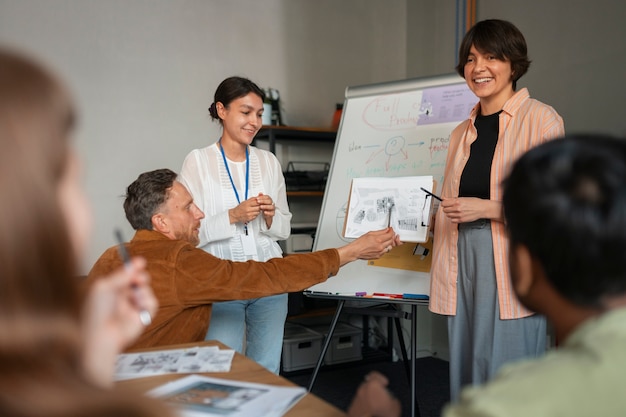
Education is one of the most powerful tools in shaping the future, and at its core, it is a catalyst for creating future leaders’ education. Through a structured yet dynamic approach, education lays the foundation for leadership by fostering critical thinking, resilience, and a sense of responsibility. As the world evolves, it becomes increasingly clear that the role of education extends far beyond imparting knowledge—it is the very cornerstone of developing tomorrow’s leaders.
The Role of Education in Leadership Development
Leadership is not an inherent trait but rather a skill that can be nurtured through purposeful education. In the classroom, young minds are exposed to a variety of ideas, disciplines, and challenges that encourage them to think independently and creatively. These experiences help students develop the mindset and qualities necessary to lead with confidence and vision.
By focusing on building leadership skills, education prepares individuals to take charge of their own futures while inspiring others to follow. Leadership is built on a foundation of self-awareness, communication, and problem-solving abilities—skills that are developed through thoughtful, intentional educational practices. Whether through group projects, debates, or leadership-focused extracurricular activities, students are given the tools to lead, innovate, and make a difference in their communities and beyond.
Smart Student Development: Cultivating Leadership from the Ground Up
Effective leadership requires more than just an academic foundation; it also necessitates emotional intelligence, resilience, and the ability to make difficult decisions. Smart student development focuses on creating well-rounded individuals who possess both intellectual and emotional intelligence. By engaging students in activities that promote empathy, self-reflection, and collaboration, education nurtures the personal growth needed to become a successful leader.
In many educational systems, the emphasis is not only on rote learning but also on developing a growth mindset. A growth mindset encourages students to view challenges as opportunities for growth rather than obstacles to be avoided. This mindset fosters resilience and persistence—two essential traits for effective leadership. By embracing setbacks as part of the learning process, students build the mental fortitude necessary to lead through adversity and inspire others to do the same.
Additionally, education plays a pivotal role in building strong communication skills. Great leaders are not only able to articulate their ideas clearly but also listen to the perspectives of others. Schools that encourage open dialogue, debate, and teamwork create environments where students can hone their communication skills, preparing them to lead diverse groups with respect and understanding.
Innovative Learning Techniques: Shaping the Next Generation of Leaders
As education continues to evolve, innovative learning techniques are paving the way for the development of future leaders. Traditional methods of teaching, while valuable, are being complemented by newer, more engaging approaches that focus on experiential learning, critical thinking, and collaboration. These techniques help cultivate the qualities of adaptability, creativity, and problem-solving, all of which are vital for effective leadership.
One example of innovative learning techniques is project-based learning, which encourages students to work on real-world problems and projects. This approach mirrors the challenges leaders face in the workplace, where solutions are rarely simple and require collaboration, creativity, and practical application. Through project-based learning, students are empowered to take ownership of their education while developing the skills they will need as leaders in a complex, fast-paced world.
Additionally, technology has transformed how students engage with learning. Digital tools, interactive simulations, and online platforms offer students the opportunity to collaborate across borders, bringing together diverse perspectives and fostering global citizenship. These experiences not only prepare students to lead in an interconnected world but also instill in them a sense of responsibility to act as agents of positive change.
The Power of Visionary Thinking
Effective leaders are visionaries—individuals who can look beyond the present and see the potential for future growth. Education encourages students to expand their thinking, challenge conventional wisdom, and explore new possibilities. Through exposure to diverse subjects, creative activities, and thought-provoking discussions, students are inspired to dream big and aim high.
A key aspect of leadership is the ability to think critically and strategically. By fostering analytical thinking, education helps students develop the ability to evaluate situations, identify opportunities, and make decisions that are both informed and impactful. These are the skills that empower future leaders to navigate complex issues, whether in business, politics, or social justice.
Furthermore, visionary leaders are those who can inspire others to join them in realizing a shared vision. Education not only equips students with the knowledge to lead but also encourages them to be role models for others. By emphasizing values such as integrity, collaboration, and empathy, education helps students develop the character necessary to lead with authenticity and purpose.
Cultivating Future-Ready Skills
The world is changing at an unprecedented rate, and future leaders will need to possess a unique set of skills to thrive in this new environment. Education must, therefore, focus not only on academic knowledge but also on preparing students for the challenges of tomorrow. This involves equipping them with the ability to adapt, innovate, and lead in an increasingly digital and interconnected world.
As the demand for leaders in technology, sustainability, and social equity grows, educational institutions are incorporating specialized programs that cater to these emerging fields. By providing students with the tools, knowledge, and experiences necessary to excel in these sectors, education helps create a pipeline of leaders ready to tackle the world’s most pressing issues.
In conclusion, future leaders’ education is about more than just acquiring knowledge—it’s about nurturing the skills, mindset, and values necessary to lead with purpose and vision. Through building leadership skills, smart student development, and innovative learning techniques, education creates a fertile ground for the growth of future leaders who will shape our world for generations to come. By fostering resilience, creativity, and empathy, education empowers students to make meaningful contributions to society and lead with integrity in a rapidly evolving global landscape. As we continue to invest in education, we are investing in a brighter, more promising future led by individuals who are equipped to navigate the complexities of the world with confidence and compassion.