
Art and Design Techniques You Must Try
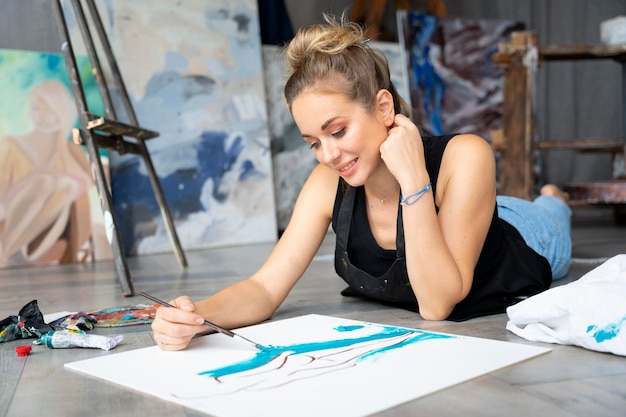
The world of art and design is ever-evolving, offering endless possibilities for creative expression. Whether you’re a seasoned artist or a newcomer, experimenting with must-try art techniques can open up new avenues for your work. These techniques allow artists to break free from convention, giving rise to unexpected results and fresh perspectives. By exploring new styles, you can expand your artistic horizons and find new ways to tell your story through visuals. Here are some unique creative methods to inspire and elevate your art and design practice.
1. Fluid Art: Let the Paint Flow
Fluid art is one of the most captivating and experimental techniques in the modern art scene. It involves pouring paint, typically acrylic, onto a canvas and manipulating it by tilting the surface. The colors blend in unpredictable ways, creating organic, abstract patterns. This must-try art technique allows you to embrace spontaneity and surrender to the flow of creativity. It’s perfect for anyone looking to explore new styles and break free from rigid design norms.
One of the key features of fluid art is the use of various pouring mediums to control the paint’s viscosity, allowing it to spread and merge beautifully. The result? Vivid, mesmerizing art that is impossible to replicate. It’s a delightful experience for those wanting to experiment with color and texture in a liberating way.
2. Collage Couture: Where Fashion Meets Art
Collage is not a new concept, but when paired with fashion and textiles, it becomes a revolutionary form of self-expression. Unique creative methods such as collage couture mix fabric scraps, magazine cutouts, and even small objects to create one-of-a-kind works. This approach marries design with visual storytelling, offering endless possibilities for self-expression.
By experimenting with different textures, shapes, and materials, you can bring a touch of uniqueness to your designs. Whether it’s a fashion-inspired piece or a purely visual collage, it allows for the fusion of various art forms. This technique not only challenges traditional boundaries but also encourages exploration of fresh artistic ideas and design innovation.
3. Suminagashi: The Ancient Art of Japanese Marbling
Suminagashi, also known as Japanese marbling, is a technique where ink is floated on water and then transferred to paper. This centuries-old practice involves using a combination of water and special inks, creating intricate, delicate patterns. It’s a stunning example of art that celebrates the beauty of randomness and control in tandem.
By using unique creative methods like suminagashi, artists can explore the elegance of simplicity in their work. The swirling, organic patterns mimic natural forms, offering inspiration for those looking to add fluidity to their design portfolio. The process is as meditative as it is beautiful, making it an excellent technique for artists seeking new styles.
4. Encaustic Painting: Waxing Poetic with Paint
Encaustic painting is one of the oldest forms of painting, dating back to ancient Egypt. This technique involves mixing pigment with molten beeswax, then applying the mixture to a surface. The wax can be manipulated in a variety of ways, from carving into it to embedding objects within it. The depth and texture created by the wax layers are unlike any other medium, making encaustic painting a must-try art technique for anyone looking to create striking, three-dimensional art.
Encaustic painting provides a tactile quality that is impossible to achieve with traditional painting. The result is an artwork that is both visually rich and tactilely engaging, inviting the viewer to not only look but also feel the texture of the work. Exploring new styles through encaustic allows artists to infuse their pieces with both color and texture, making them stand out in any gallery.
5. Scratchboard Art: Drawing with Contrast
Scratchboard art is a technique that uses a special board coated with black ink. Artists “scratch” away the ink using sharp tools, revealing the white surface beneath. This method creates high-contrast, detailed line work that is perfect for intricate designs. It’s a unique creative method that pushes the boundaries of traditional drawing and allows for precise control over texture and detail.
Scratchboard art is ideal for anyone who enjoys a more graphic, structured approach to their designs. The technique’s sharp contrasts make it perfect for creating dramatic, visually stunning artwork that pops off the page. The use of positive and negative space in scratchboard art offers an incredible opportunity to explore new styles of visual storytelling.
6. Digital Painting: The Future of Art
Digital painting has revolutionized the world of art by offering new possibilities for creativity and design. Using digital tools like graphic tablets and specialized software, artists can create artwork that is as detailed and expressive as traditional painting—without the mess or limitations of physical media. This must-try art technique combines the flexibility of digital tools with the aesthetic of traditional art forms.
With digital painting, you can create fresh artistic ideas with endless layers and tools. The process is highly customizable, offering endless ways to experiment with brushes, textures, and effects. Whether you’re creating illustrations, portraits, or abstract works, digital painting enables artists to push the boundaries of design with ease.
7. Pointillism: The Art of Small Dots
Pointillism, an art technique made famous by Georges Seurat, involves using tiny dots of color to build up an image. When viewed from a distance, the dots combine to create a cohesive image. The technique demands patience and precision, but it rewards the artist with the ability to create detailed, vibrant works that have a unique visual appeal.
Pointillism invites artists to think about color theory in new ways, experimenting with the juxtaposition of different hues and how they interact. By exploring new styles through pointillism, you can create artworks that are not only visually engaging but also teach you more about the science of color and perception.
8. Frottage: Textures from Everyday Life
Frottage involves rubbing a pencil or crayon over a textured surface to transfer its pattern to paper. This technique, popularized by surrealists like Max Ernst, encourages artists to engage with their environment in an entirely new way. The resulting textures can be as varied as tree bark, fabric, or even stone.
This technique is a wonderful way to incorporate unique creative methods into your art while encouraging a deep connection with the world around you. Frottage also serves as a great way to develop fresh artistic ideas by allowing you to capture the essence of different textures in a freeform, organic way.
From fluid art to frottage, there are endless must-try art techniques that can help you expand your creative toolkit. Each method offers a new way to experiment with style, texture, and color, providing opportunities to break away from the ordinary and create something truly unique. Whether you’re interested in the tactile layers of encaustic painting or the intricate beauty of scratchboard, exploring these unique creative methods will inspire you to push the boundaries of your art. So, what are you waiting for? Grab your tools, dive in, and start exploring new styles that will take your artwork to the next level.