
Inclusive Education for Students with Disabilities: Strategies for Success
Inclusive Education is a crucial aspect of modern educational practices that ensures all students, regardless of their physical, cognitive, or emotional needs, can participate fully in the educational process. This approach not only promotes equity and diversity but also enriches the learning environment for all students by fostering empathy, collaboration, and mutual respect. Creating an inclusive classroom requires a multifaceted approach that includes understanding the principles of inclusive education, implementing effective teaching strategies, and collaborating with various stakeholders. This comprehensive guide explores strategies for successful inclusive education, provides detailed insights into effective practices, and examines real-world examples of inclusive education in action.
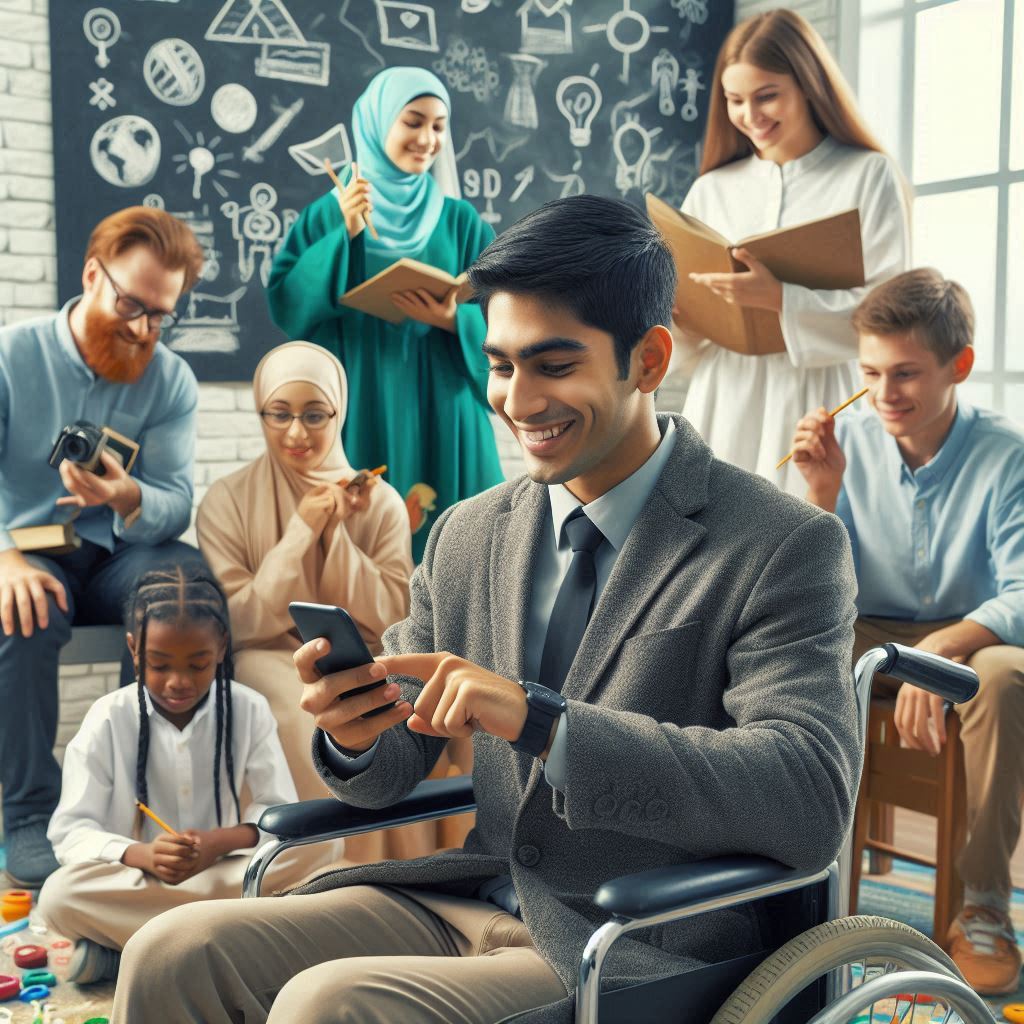
1. Understanding Inclusive Education for Students with Disabilities
Definition and Scope:
Inclusive education is defined as an approach where students with disabilities are educated in regular classrooms alongside their peers, with appropriate support and accommodations provided to meet their individual needs. The goal is to ensure that all students have access to the same learning opportunities and can participate fully in the educational experience.
- Principles of Inclusive Education: Key principles include equity, respect for diversity, and the right of all students to receive a quality education in a supportive environment.
- Legal and Ethical Foundations: Inclusive education is supported by various legal frameworks and ethical principles, including the Individuals with Disabilities Education Act (IDEA) in the United States and similar legislation in other countries.
Historical Context:
The history of inclusive education reflects a shift from segregated schooling to integrated educational practices:
- Segregated Education: Historically, students with disabilities were often placed in separate schools or special education settings, which limited their interactions with peers and access to mainstream educational opportunities.
- Integration and Inclusion: Over time, there has been a movement towards integrating students with disabilities into regular classrooms, with a focus on providing appropriate support and accommodations to facilitate their success.
Key Concepts in Inclusive Education:
Understanding key concepts is essential for implementing inclusive practices:
- Least Restrictive Environment (LRE): The principle that students with disabilities should be educated in the least restrictive environment possible, alongside their typically developing peers.
- Differentiated Instruction: Tailoring instruction to meet the diverse needs of students by using various teaching methods and materials.
Benefits of Inclusive Education:
Inclusive education offers numerous benefits for students with disabilities and the broader school community:
- Social Integration: Promotes social interactions and relationships between students with and without disabilities, fostering empathy and understanding.
- Academic Achievement: Provides opportunities for academic growth and achievement by offering access to the same curriculum and instructional methods as their peers.
- Personal Development: Supports the development of self-esteem, confidence, and independence for students with disabilities.
Examples of Inclusive Education Practices:
- Co-Teaching Models: Implementing co-teaching models where general education and special education teachers work together to provide instruction and support.
- Universal Design for Learning (UDL): Applying UDL principles to create flexible learning environments that accommodate diverse learning needs.
2. Strategies for Implementing Inclusive Education
Creating an Inclusive Classroom Environment:
Establishing an inclusive classroom environment involves:
- Physical Accessibility: Ensuring that the classroom is physically accessible to all students, including those with mobility challenges. This includes providing appropriate seating arrangements, clear pathways, and accessible materials.
- Classroom Layout: Designing the classroom layout to accommodate various learning activities and group interactions. Consider flexible seating arrangements and areas for individual and group work.
Differentiated Instruction:
Differentiated instruction is key to addressing the diverse needs of students:
- Adjusting Content: Modify the content of lessons to match students’ varying levels of understanding and abilities. Use different materials and resources to support different learning styles.
- Varied Instructional Methods: Employ a variety of instructional methods, such as visual aids, hands-on activities, and auditory presentations, to accommodate different learning preferences.
- Flexible Grouping: Utilize flexible grouping strategies to provide targeted instruction and support based on students’ needs and abilities.
Implementing Accommodations and Modifications:
Providing accommodations and modifications helps support students with disabilities:
- Accommodations: Adjustments made to the learning environment or instructional methods to help students access the curriculum. Examples include extended time for assignments, use of assistive technology, and preferential seating.
- Modifications: Changes made to the curriculum or learning expectations to meet individual needs. Examples include simplifying assignments, altering the level of difficulty, and providing alternative assessments.
Supporting Social and Emotional Development:
Fostering social and emotional development is essential for inclusive education:
- Social Skills Training: Implement social skills training programs to help students develop effective communication, collaboration, and interpersonal skills.
- Emotional Support: Provide emotional support through counseling services, peer mentoring, and social-emotional learning (SEL) programs to address the psychological needs of students with disabilities.
Collaborating with Support Services:
Collaboration with various support services is crucial for successful inclusive education:
- Special Education Services: Work with special education teachers and support staff to develop and implement individualized education programs (IEPs) and provide targeted support.
- Related Services: Collaborate with related service providers, such as speech and language therapists, occupational therapists, and behavioral therapists, to address specific needs.
Examples of Successful Implementation:
- Co-Teaching Models: Successful implementation of co-teaching models, where general education and special education teachers collaboratively plan and deliver instruction.
- Assistive Technology Integration: Effective use of assistive technology, such as speech-to-text software and adaptive devices, to support learning and communication.
3. Challenges and Solutions in Inclusive Education
Addressing Attitudinal Barriers:
Attitudinal barriers can impact the success of inclusive education:
- Bias and Stigma: Addressing biases and stigma associated with disabilities through awareness training and education for students, staff, and families.
- Building a Positive Culture: Promoting a positive and inclusive school culture that values diversity and encourages acceptance of all students.
Managing Diverse Needs in the Classroom:
Managing diverse needs requires effective strategies:
- Balancing Individual and Group Needs: Finding a balance between addressing individual needs and maintaining a cohesive classroom environment.
- Time Management: Allocating time and resources effectively to meet the needs of all students while ensuring that instructional goals are met.
Providing Adequate Resources and Training:
Access to resources and training is essential:
- Professional Development: Providing ongoing professional development for educators on inclusive education practices, differentiated instruction, and assistive technology.
- Resource Allocation: Ensuring that sufficient resources, such as teaching materials, assistive technology, and support staff, are available to support inclusive education efforts.
Ensuring Effective Communication:
Effective communication is vital for inclusive education:
- Collaborating with Families: Engaging in open and regular communication with families to understand students’ needs and provide updates on progress.
- Interdisciplinary Collaboration: Facilitating collaboration among educators, support staff, and related service providers to coordinate efforts and address students’ needs.
Examples of Overcoming Challenges:
- Professional Learning Communities: Establishing professional learning communities where educators can share strategies and support each other in implementing inclusive practices.
- Resource Sharing: Collaborating with other schools and organizations to share resources and best practices for inclusive education.
4. Best Practices for Inclusive Education
Developing Individualized Education Programs (IEPs):
IEPs are crucial for supporting students with disabilities:
- IEP Development: Develop IEPs collaboratively with input from educators, parents, and students. Include specific goals, accommodations, modifications, and support services.
- Regular Review: Regularly review and update IEPs to reflect changes in students’ needs and progress.
Utilizing Universal Design for Learning (UDL):
UDL principles enhance inclusivity:
- Flexible Content Delivery: Provide content in multiple formats, such as text, audio, and visual, to accommodate different learning preferences.
- Varied Assessment Methods: Use a range of assessment methods to allow students to demonstrate their understanding in different ways.
Fostering Peer Relationships and Collaboration:
Encouraging peer relationships and collaboration is important:
- Peer Support Programs: Implement peer support programs where students can work together, provide assistance, and build friendships.
- Collaborative Projects: Design collaborative projects and activities that promote teamwork and inclusivity.
Implementing Positive Behavioral Interventions and Supports (PBIS):
PBIS strategies support positive behavior:
- Behavioral Expectations: Establish clear behavioral expectations and reinforce positive behavior through rewards and recognition.
- Support Systems: Provide support systems, such as behavior intervention plans and counseling services, to address challenging behaviors.
Promoting Self-Advocacy and Independence:
Encouraging self-advocacy and independence is crucial:
- Self-Advocacy Training: Provide training on self-advocacy skills, helping students understand their rights, communicate their needs, and make informed decisions.
- Independent Living Skills: Teach independent living skills, such as time management, organization, and self-care, to promote autonomy.
Examples of Best Practices:
- UDL Implementation: Successful implementation of UDL principles in classroom settings, providing diverse learning resources and methods.
- Peer Support Programs: Effective peer support programs that foster inclusive relationships and mutual support among students.
5. Future Directions in Inclusive Education
Advancements in Assistive Technology:
Assistive technology continues to evolve:
- Emerging Technologies: Explore emerging technologies, such as artificial intelligence and virtual reality, to support students with disabilities and enhance learning experiences.
- Assistive Tools: Stay informed about new assistive tools and software that can improve accessibility and participation.
Policy and Legislation Changes:
Policy and legislation will impact inclusive education:
- Policy Development: Monitor and influence policy developments related to inclusive education, advocating for supportive and equitable practices.
- Legislative Updates: Stay updated on legislative changes and their implications for inclusive education practices and funding.
Focus on Teacher Preparation and Professional Development:
Teacher preparation and professional development are crucial:
- Pre-Service Training: Enhance pre-service teacher training programs to include comprehensive coverage of inclusive education practices and strategies.
- Ongoing Professional Development: Provide ongoing professional development opportunities to help educators stay current with best practices and new developments in inclusive education.
Increasing Family and Community Engagement:
Family and community engagement is essential:
- Family Involvement: Increase family involvement in the educational process, including decision-making and support for students with disabilities.
- Community Partnerships: Build partnerships with community organizations to provide additional resources and support for inclusive education.
Promoting Equity and Access:
Ensuring equity and access for all students:
- Addressing Disparities: Address disparities in access to resources, support services, and opportunities for students with disabilities.
- Promoting Inclusivity: Continue to promote inclusivity and diversity in educational settings, advocating for practices that support all students.
Examples of Future Directions:
- Assistive Technology Innovations: Incorporation of innovative assistive technologies to enhance accessibility and learning outcomes.
- Policy Advocacy: Successful advocacy efforts leading to improved policies and practices for inclusive education.
Conclusion
Creating an inclusive educational environment for students with disabilities requires a multifaceted approach that includes understanding key principles, implementing effective strategies, and addressing challenges. By fostering a welcoming classroom environment, utilizing differentiated instruction, and collaborating with various support services, educators can ensure that all students have the opportunity to succeed and thrive.
Inclusive education not only benefits students with disabilities but also enriches the learning experience for all students by promoting empathy, collaboration, and respect. As we move forward, ongoing efforts to enhance inclusive practices, integrate innovative approaches, and advocate for supportive policies will play a crucial role in shaping the future of education and ensuring that every student has the opportunity to reach their full potential.